
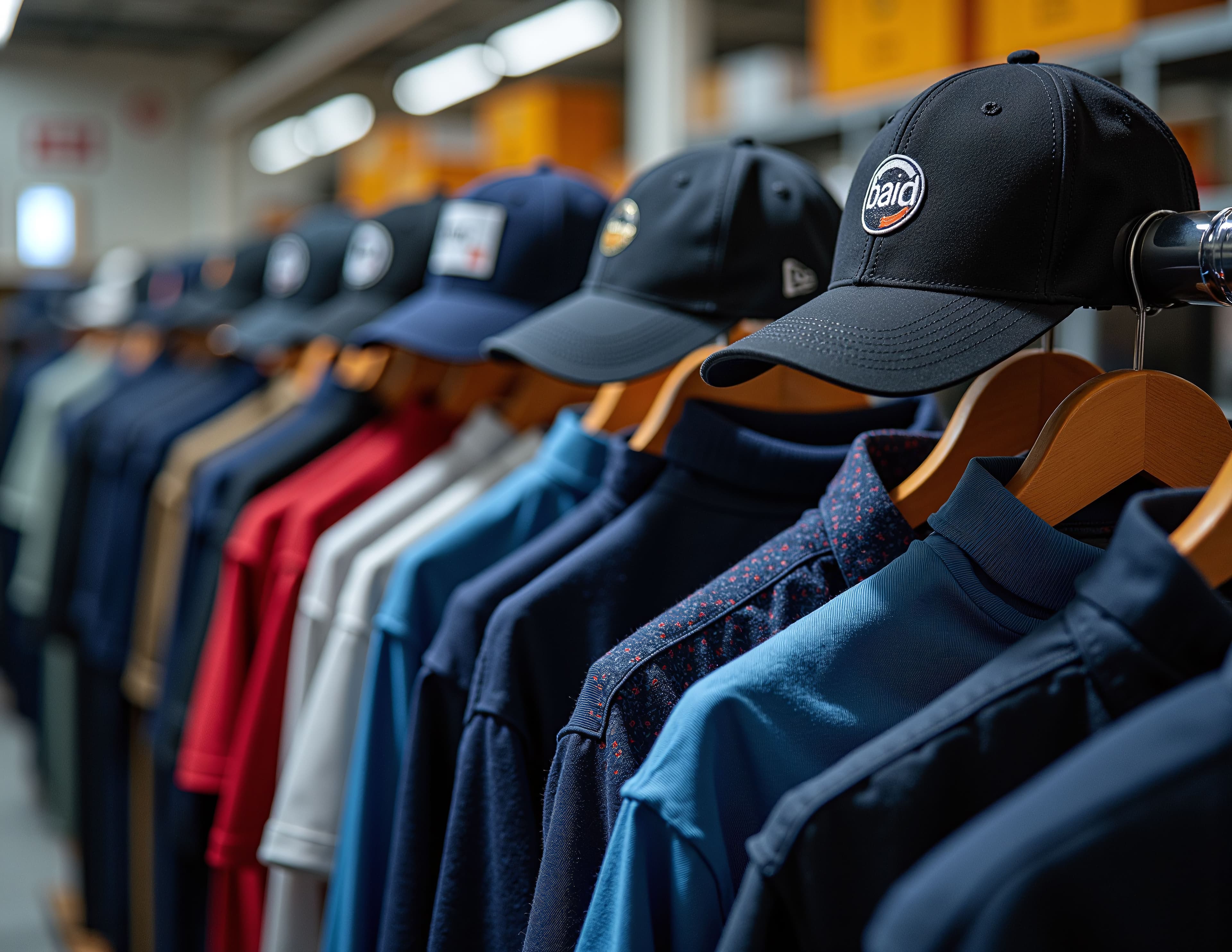
Textile & Apparel Testing
What is Textile & Apparel Testing?
Textile and Apparel Testing is the process of evaluating fabrics, garments, accessories, and textile materials to verify their quality, performance, safety, and compliance with applicable international standards.
Testing helps manufacturers, brands, retailers, and exporters ensure that products meet customer specifications and regulatory requirements before entering the market. Assessments may include physical, mechanical, chemical, performance, flammability, colour fastness, fibre composition, and product safety testing.
Testing can be conducted according to internationally recognized standards including ISO, ASTM, AATCC, BS, EN, DIN, and JIS.
Why Textile & Apparel Testing Matters
Product failures, safety concerns, and non-compliance issues can lead to rejected shipments, customer complaints, and reputational damage.
Independent testing provides confidence that textile products perform as intended and meet buyer expectations regarding quality, durability, safety, and regulatory compliance. It also helps organizations identify issues early, reducing the risk of costly recalls and market access barriers.
How ASSESS Helps You
How ASSESS Helps You
At ASSESS International, we provide independent textile and apparel testing services to verify product quality, safety, and compliance with applicable international standards.
Our testing capabilities include:
- Physical Testing
- Mechanical Testing
- Performance Testing
- Chemical Testing
- Fibre Identification
- Colour Fastness Testing
- Care Label Verification
- Product Safety Assessment
- Flammability Testing
- Children's Product Testing
- Regulatory Compliance Testing
Our assessments help manufacturers, exporters, retailers, and brands demonstrate product conformity while meeting customer and regulatory requirements.
Key Benefits
Improved product quality and consistency
Compliance with international buyer requirements
Reduced product failures and customer complaints
Enhanced consumer safety and confidence
Increased acceptance in global markets